


Acrylic Auxiliaries
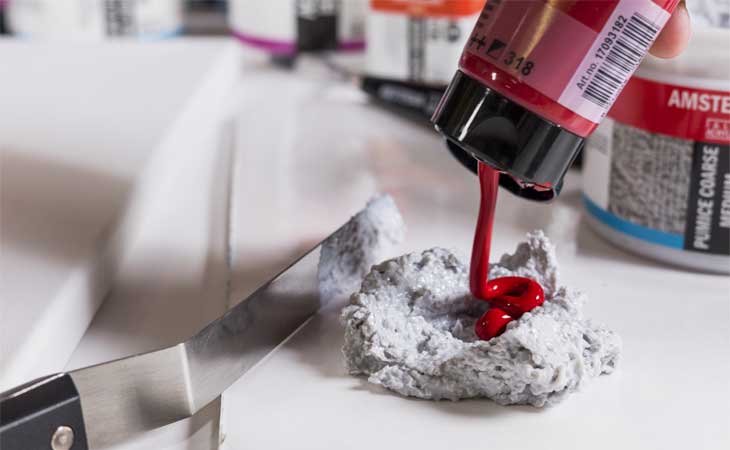
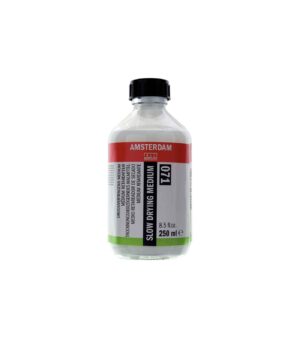
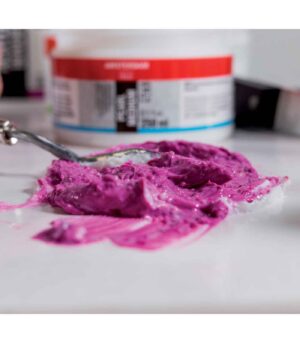
Acrylic auxiliaries modify paint properties for different effects and techniques—mediums that change finish (gloss/matte), gel mediums that increase volume and transparency, retarder that slows drying for easier blending, and modeling paste that creates three-dimensional textures. There are also gesso for surface preparation, flow improver for smoother flow, and special acrylic varnishes for protection and final finish. All thin and clean with water, and extend acrylic possibilities from thin transparent glazes to thick, impasto applications.
-
 Price range: 24.70 € through 58.60 €Select options This product has multiple variants. The options may be chosen on the product page
 -
 Price range: 11.80 € through 23.75 €Select options This product has multiple variants. The options may be chosen on the product page
 -
-
-
-
 Price range: 5.80 € through 14.60 €Select options This product has multiple variants. The options may be chosen on the product page
 -
Price range: 9.00 € through 25.80 €Select options This product has multiple variants. The options may be chosen on the product page
-
 Price range: 5.00 € through 19.00 €Select options This product has multiple variants. The options may be chosen on the product page
 -

-
Price range: 6.50 € through 37.00 €Select options This product has multiple variants. The options may be chosen on the product page
-
Price range: 6.50 € through 37.00 €Select options This product has multiple variants. The options may be chosen on the product page
-
Price range: 22.00 € through 75.00 €Select options This product has multiple variants. The options may be chosen on the product page
-
 Price range: 6.50 € through 13.00 €Select options This product has multiple variants. The options may be chosen on the product page
 -
Price range: 5.80 € through 17.00 €Select options This product has multiple variants. The options may be chosen on the product page
-
Price range: 5.80 € through 18.00 €Select options This product has multiple variants. The options may be chosen on the product page
-
-
 Price range: 4.50 € through 23.00 €Select options This product has multiple variants. The options may be chosen on the product page
 -
Price range: 5.80 € through 24.10 €Select options This product has multiple variants. The options may be chosen on the product page
-
Price range: 9.50 € through 17.00 €Select options This product has multiple variants. The options may be chosen on the product page
-
-
-

 Price range: 6.00 € through 19.00 €Select options This product has multiple variants. The options may be chosen on the product page
 -
 Price range: 6.00 € through 16.50 €Select options This product has multiple variants. The options may be chosen on the product page
 -
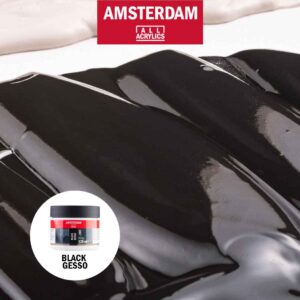 Price range: 5.80 € through 14.60 €Select options This product has multiple variants. The options may be chosen on the product page
 -
Price range: 5.00 € through 12.00 €Select options This product has multiple variants. The options may be chosen on the product page
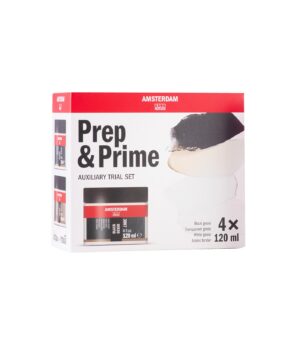
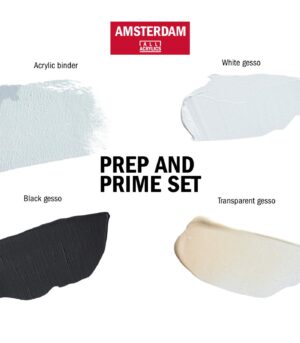
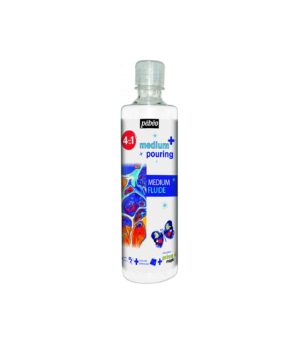
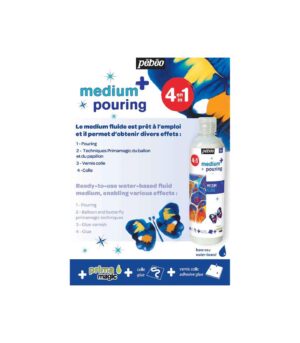
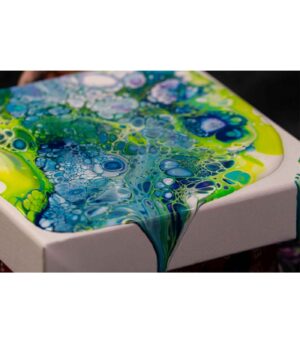
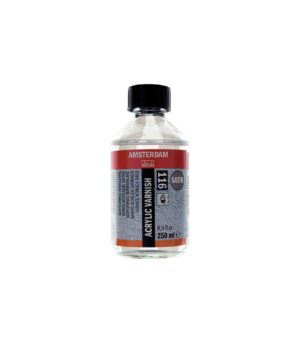

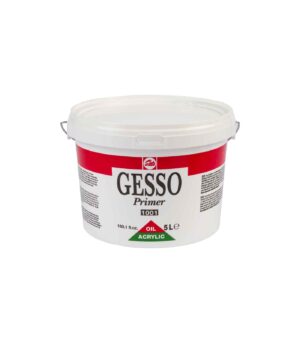
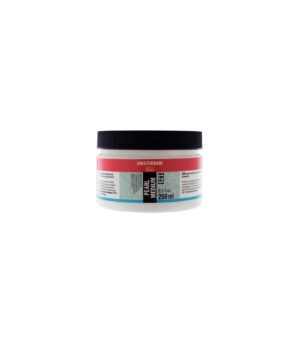
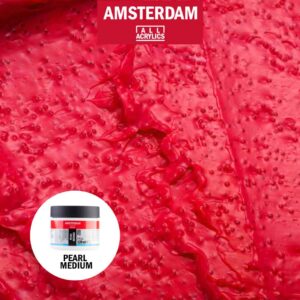
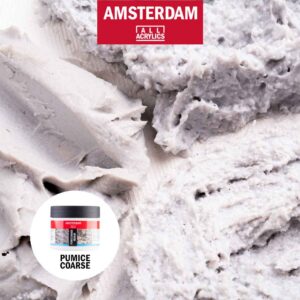
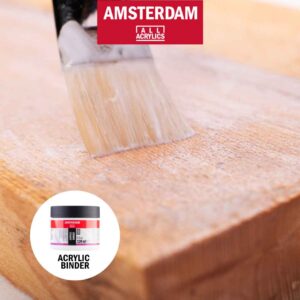
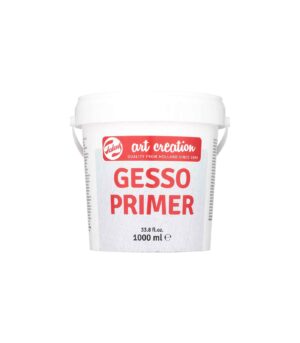
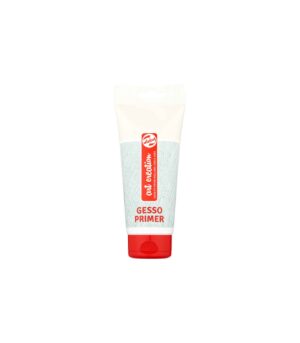
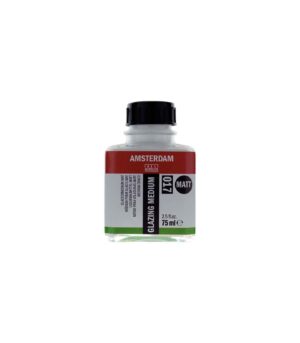
Acrylic auxiliaries are divided into four categories: mediums that change finish and transparency, gel mediums that modify consistency and volume, retarders that control drying time, and pastes that add texture and volume. Gloss/matte mediums change finish (glossy or matte) without thinning the paint—useful for glazing and uniform surface. Gel mediums (soft, regular, heavy) increase volume while maintaining transparency, ideal for impasto techniques and mixing with sand or other materials. Retarder slows the fast drying of acrylics, allowing easier blending on canvas and wet-on-wet techniques. Flow improver makes paint more fluid without losing intensity, ideal for pouring techniques and airbrush.
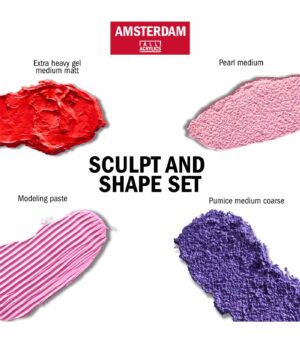
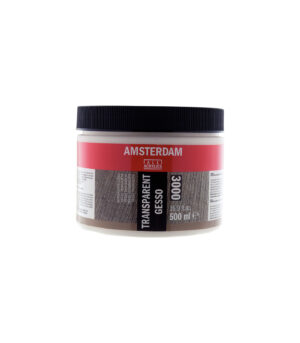
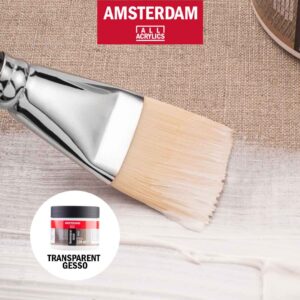
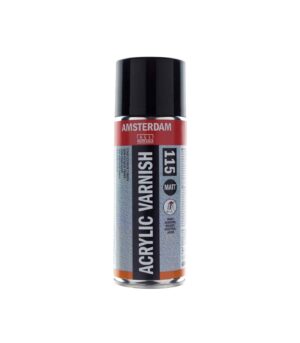
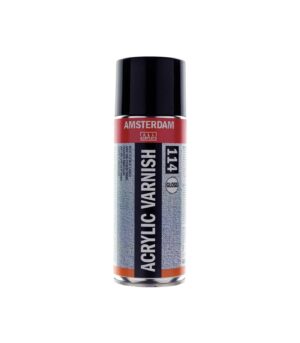
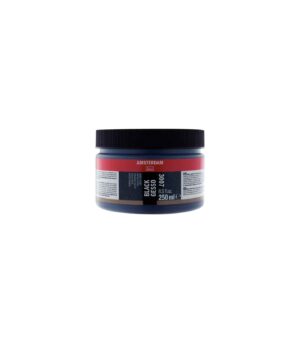
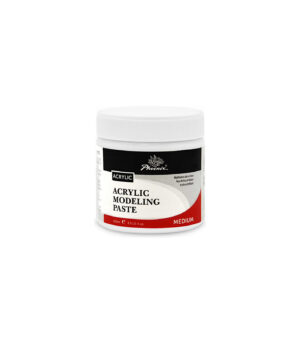
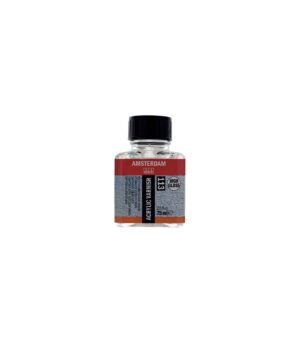
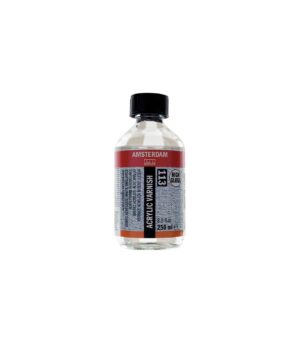
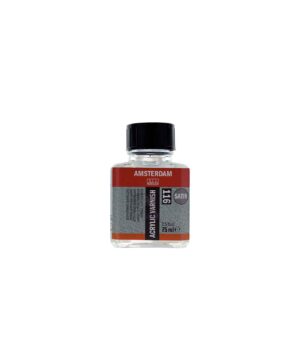
Gesso is an acrylic preparation base that creates absorbent, matte surface on canvas, wood, or cardboard—essential for good paint adhesion. Modeling paste (or texture paste) is thick material that creates three-dimensional textures, relief effects, and can be carved or stamped with stencils before drying. Acrylic varnishes (gloss, matte, satin) protect the finished work and provide uniform finish—applied after 3-7 days drying. All acrylic auxiliaries are compatible with each other and with acrylic paints, thin with water, and dry waterproof. For tempera, most mediums work similarly, but gesso and varnishes are usually not necessary for school use. See also our acrylic paints, brushes, and canvas.